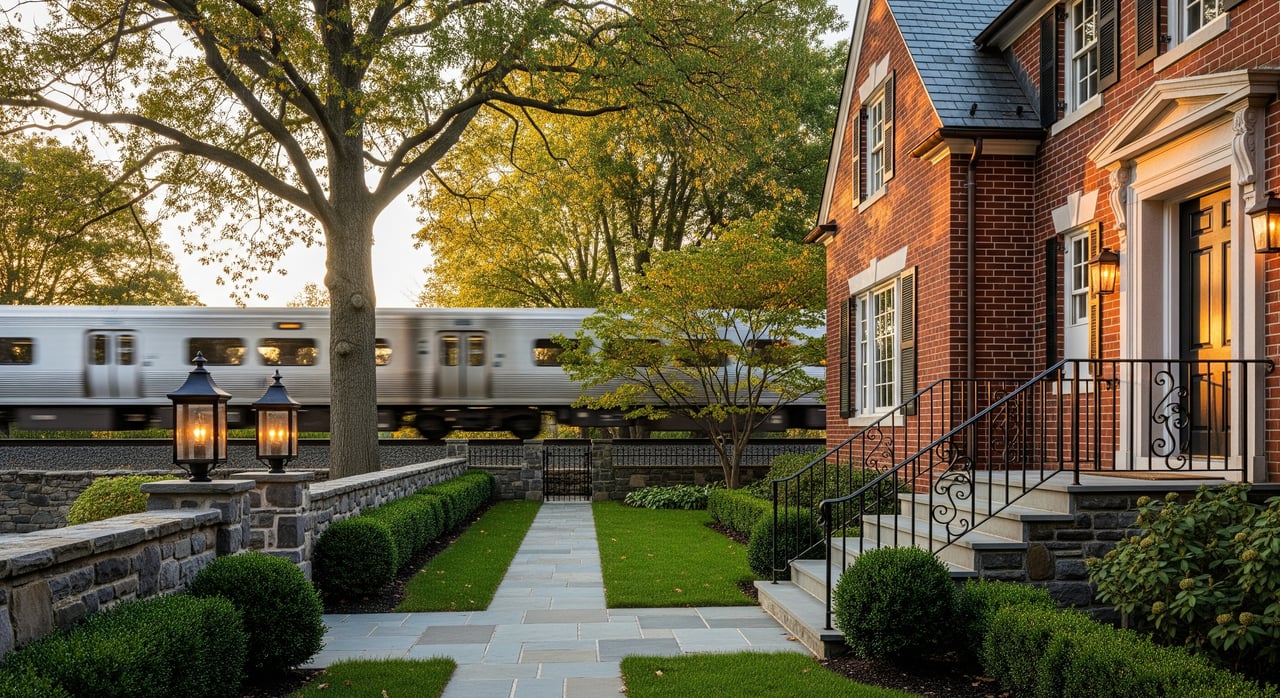
If you want a suburban home with an easy hop to Center City, living near Regional Rail in Cheltenham can change your day-to-day life for the better. You skip peak highway traffic, you know when you will arrive, and you still enjoy neighborhood charm. At the same time, every station area comes with tradeoffs like parking rules, train noise, and schedule differences. In this guide, you will learn how Cheltenham’s stations work, what typical commutes look like, and how to compare homes near the rail. Let’s dive in.
Why Regional Rail matters in Cheltenham
Cheltenham Township sits just north of Philadelphia, with several stations on SEPTA’s north-of-Center City corridor. Many residents rely on nearby stops to reach jobs, universities, and cultural venues downtown. Rail offers predictable travel and a calmer commute than the highway during peak hours.
Schedules, parking policies, and station features do change. Always confirm current details on the official SEPTA station pages and timetables before you decide on a home or a commute routine.
Where residents ride: key stations
Cheltenham buyers often look near stations like Jenkintown-Wyncote, Elkins Park, Glenside, and Melrose Park. Your best fit depends on how you plan to reach the platform most days and what the surrounding streets and amenities feel like to you.
Jenkintown-Wyncote
This major hub draws riders from Cheltenham, Jenkintown, and Wyncote. It often serves multiple lines, which can help with frequency during busy times. If you prefer walking, check sidewalk lighting and crossings along your route. If you will drive, visit during a weekday morning to see how quickly lots fill.
Elkins Park
Elkins Park has a walkable center with small businesses and neighborhood streets near the station. Buyers often weigh a short walk against a quick drive to parking. Confirm station features and any permit options on the SEPTA website and check local parking rules with Cheltenham Township.
Glenside
Glenside’s commercial corridor and nearby streets put coffee, small retail, and services within reach for many riders. If you work non-traditional hours, review off-peak schedules and weekend frequency. Train noise drops as you move a few blocks from the tracks, so walk a wider loop to compare sound levels.
Melrose Park
Melrose Park can be a practical choice for western Cheltenham and adjacent neighborhoods. If you plan to bike, look for bike racks, street lighting, and your preferred route to the platform. For drivers, ask about daily parking versus permit availability and enforcement times in nearby areas.
Getting to the station: walking, parking, permits
Reaching the platform smoothly is half the battle. Think through the first and last mile of your day.
- Walk-up access. The most convenient option. Look for continuous sidewalks, safe crossings, and good lighting. Test your route at dawn and dusk.
- Park-and-ride. Many stations have surface lots. Some charge daily fees and others are free. Spaces can fill in the early morning, so scout on a weekday.
- Drop-off zones. Useful for households that share a car. Confirm where stopping is allowed during peak hours.
- Bikes and micro-mobility. Check for bike racks and your comfort with local streets.
Parking rules vary by station and by municipality. Expect a mix of daily lots and permit options. Popular stations can have waitlists for permits, and neighborhoods near stations may have resident-only zones to limit long-term commuter parking. Confirm both station policy and local enforcement with SEPTA and Cheltenham Township.
Accessibility also differs by location. Some stations are fully ADA accessible while others have stairs or low platforms. If you or a household member has mobility needs, verify ADA status on the relevant SEPTA station information before you finalize a home search area.
Commute times and what to expect
On a weekday morning, inbound trains toward Center City are busiest. Evening rush flows outbound. If you ride during the peak, expect fuller trains and consider earlier or later departures to improve your odds of a seat.
Typical rides from inner-suburban stations north of the city often land in the 15 to 30 minute range to Center City stops like Jefferson, Suburban Station, or 30th Street, depending on your exact station and whether your train is local or express. Off-peak and weekend service usually runs less frequently, often every 30 to 60 minutes on many branches. Always check current timetables on the SEPTA site.
Reliability is generally good, but weather, mechanical issues, or track work can create delays. If your office requires precise arrival times, have a backup plan, such as an earlier option or employer flexibility. Reverse commuting and midday trips are feasible, but they are often less frequent than peak-direction service.
How rail access shapes home choices
Living near a station shifts more than your commute. It influences neighborhood feel, daily routines, and long-term value considerations.
Benefits many buyers report:
- Reduced driving stress and more predictable travel during peak periods.
- Easier access to jobs, hospitals, universities, and cultural destinations in Philadelphia.
- Higher everyday convenience with cafes, small retail, and services near many stations.
- Potentially stronger resale appeal for homes within an easy walk to the platform.
Tradeoffs to weigh:
- Noise and activity. Homes very close to tracks can experience train noise and busier sidewalks. Many buyers find a sweet spot two to six blocks away where convenience remains and noise drops.
- Parking and traffic. Morning and late afternoon traffic around stations can slow local streets. Neighborhoods near popular stops may limit long-term parking without a permit.
- Price premiums. Proximity to rail often commands a premium. The exact effect varies by station quality, amenities, and market conditions.
- Housing mix. Station areas tend to allow higher density housing, while single-family lots are more common further from the rail corridor. Match your preferred home type with the location you choose.
Regional planning sources like the Delaware Valley Regional Planning Commission and the Montgomery County Planning Commission provide useful context on how transit access shapes neighborhoods and land use. For commute habits and mode share, the American Community Survey offers updated data and tools.
Buyer checklist for Cheltenham-area rail living
Use this quick checklist as you compare homes near Jenkintown-Wyncote, Elkins Park, Glenside, Melrose Park, and adjacent stations.
Commute basics:
- What stations are within a 10 to 20 minute walk? Time the walk.
- What is your door-to-desk estimate including walk or drive, train ride, and any transfer?
- How frequent are trains at your commute times? What is the off-peak plan?
Station amenities and access:
- Parking today. Daily or permit? Typical fill times? Any waitlist?
- ADA features, shelters, lighting, ticket vending, and bike racks.
- Safe walking and biking routes to the platform.
Neighborhood details:
- Noise exposure from the rail corridor and any buffers, like trees or walls.
- Street parking rules and resident permit zones.
- Local retail, daycare, parks, and services within a 5 to 10 minute walk.
- Housing types and taxes that fit your budget and lifestyle.
Verification steps:
- Confirm station features and timetables on SEPTA.
- Call or browse Cheltenham Township for permits and parking programs.
- Explore planning and neighborhood context via Montgomery County Planning and DVRPC.
How to compare neighborhoods near stations
A little fieldwork goes a long way.
Do a practice commute. Visit your target station on a weekday morning and again after work. Time the whole journey from the front door to your workplace.
Test parking at peak. If you plan to drive, arrive during the rush to see if the lot fills and how quickly. Ask other riders what time they usually find a spot.
Walk the blocks at different hours. Check lighting, sidewalk condition, and traffic around school drop-off and the afternoon peak.
Confirm permits and rules. Review both station parking and neighborhood restrictions with Cheltenham Township. Ask about enforcement times and permit availability.
Match the home to your routine. If you will rely on grocery delivery, daycare, or late-evening returns, make sure the station schedule and neighborhood services support that rhythm.
Ready to explore homes near rail?
If rail access is on your must-have list, you deserve local guidance that blends neighborhood insight with a clear plan. Our team is based in the Jenkintown-Cheltenham area and helps buyers compare station walkability, parking realities, and door-to-desk times before they bid. Whether you are coordinating a sale and purchase, moving up for more space, or you are a physician exploring specialty financing, we can help you move with confidence. Reach out to Sean Ryan to map your options and start strong.
FAQs
How long is the train ride from Cheltenham to Center City?
- For inner-suburban stations like Jenkintown-Wyncote, Elkins Park, Glenside, and Melrose Park, typical rides to Center City often fall in the 15 to 30 minute range, depending on the train and time of day. Always verify current times on the SEPTA schedule.
Is parking available at Cheltenham-area Regional Rail stations?
- Many stations offer daily parking and some have permits, but capacity and fees vary. Lots can fill early on weekdays. Confirm details on SEPTA and check neighborhood rules with Cheltenham Township.
Which Cheltenham neighborhoods are walkable to stations?
- Buyers often look in and around Elkins Park, Wyncote, Glenside, La Mott, Cheltenham Village, Melrose Park, and the Jenkintown border area. Exact walk times depend on street layout and your route.
Are all Cheltenham-area stations ADA accessible?
- No. Some stations are fully accessible, and others have stairs or low platforms. Confirm ADA status for your station on the SEPTA station pages.
Does living near rail increase home values?
- Proximity to rail often carries a price premium, but the effect varies by station quality, local amenities, and recent development. Review current comps and planning context through Montgomery County Planning.
How often do trains run on weekends near Cheltenham?
- Off-peak and weekend service often runs every 30 to 60 minutes on many branches. Check your specific line and station on the SEPTA timetables.
What is the best way to estimate door-to-desk time?
- Add your walk or drive to the station, the scheduled train time, and any transfer or short walk in Center City. Do a practice run during your actual commute window and compare it with the SEPTA schedule.