Eyeing homes in Huntingdon Valley but not sure what you’re looking at from the curb or how the floor plan will live day to day? You’re not alone. The Valley blends early 20th‑century charm with mid‑century practicality, which can make choices feel overwhelming. In this quick guide, you’ll learn how to spot the most common local styles, what their typical layouts mean for your life, and how to plan smart renovations before you tour. Let’s dive in.
What to expect locally
Huntingdon Valley, especially the Lower Moreland Township area, offers a mix of pre‑war and mid‑century homes on suburban lots with yards, driveways, and garage options. You’ll often see stone or brick Colonial Revivals, Tudor Revivals, split‑levels from the 1950s–1970s, and mid‑century ranches. Many pre‑ and mid‑century properties include plaster walls, older windows, and original mechanical systems that may need upgrades.
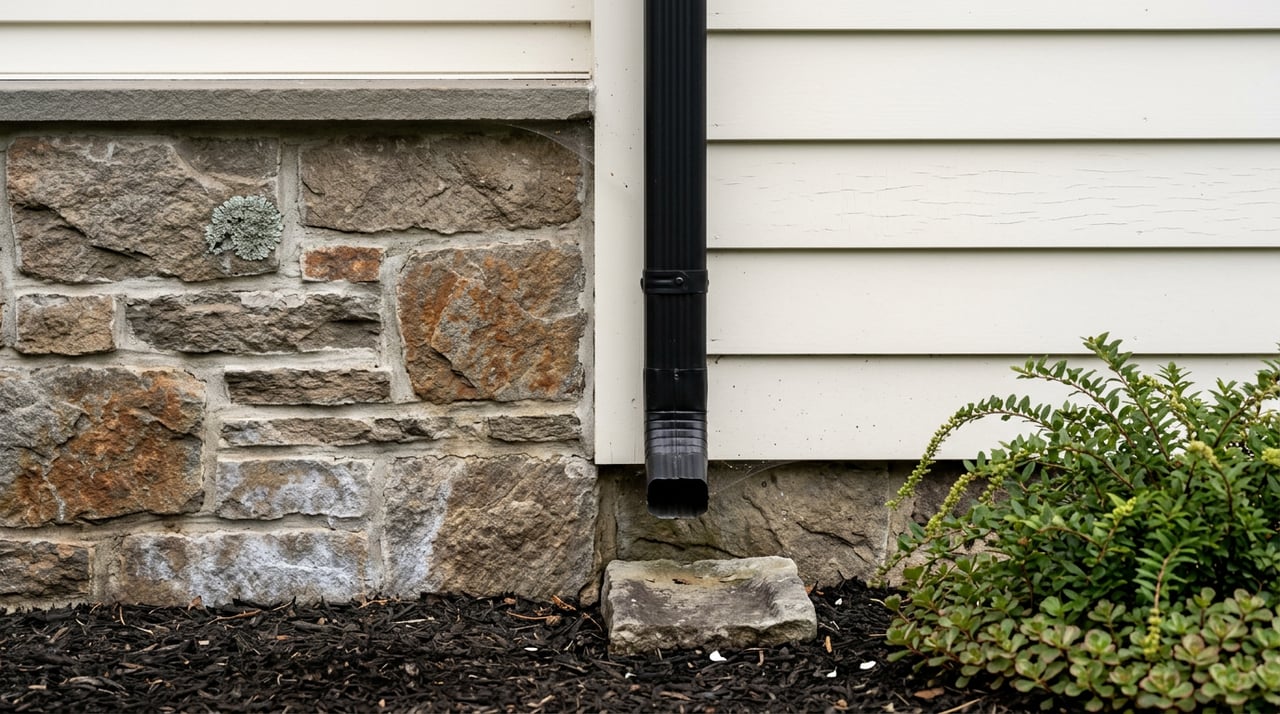
Pay attention to siting and grading. Some lots slope toward basements, which can invite water if gutters and drainage are not managed well. Renovations will require permits and must meet Pennsylvania’s Uniform Construction Code and local township rules, so plan to check thresholds with the Lower Moreland Township building office.
Stone Colonials: basics
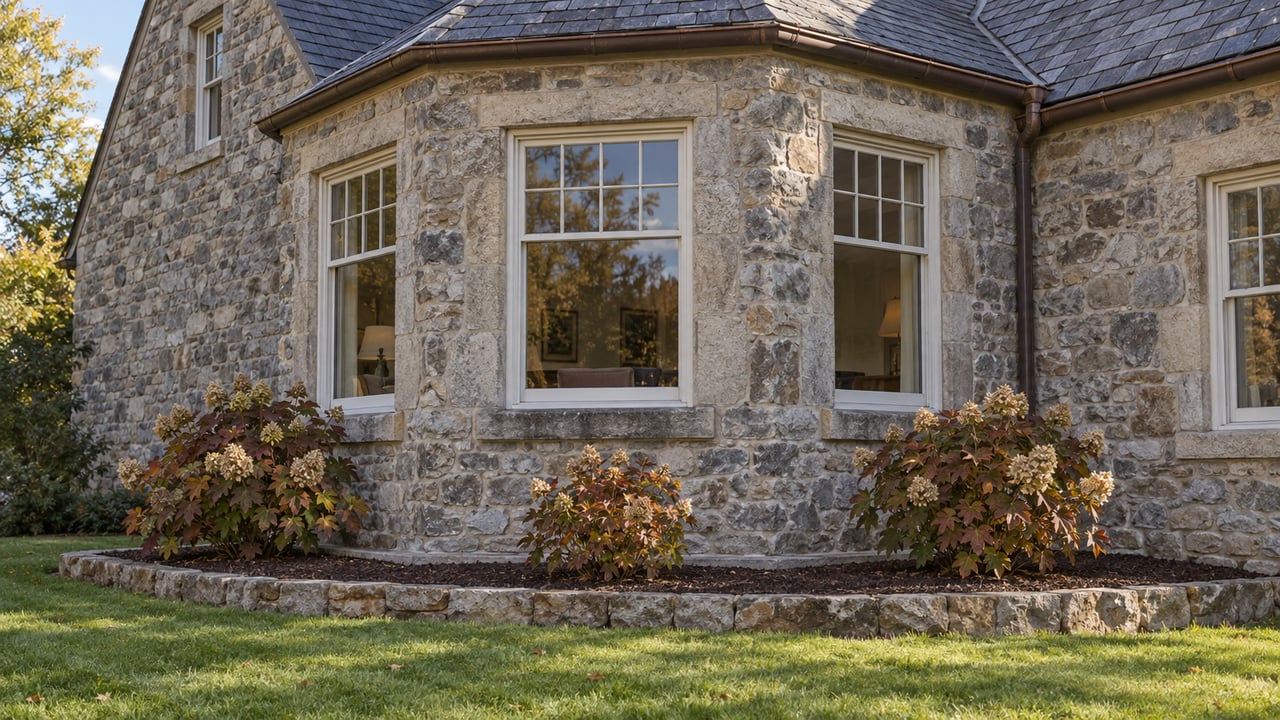
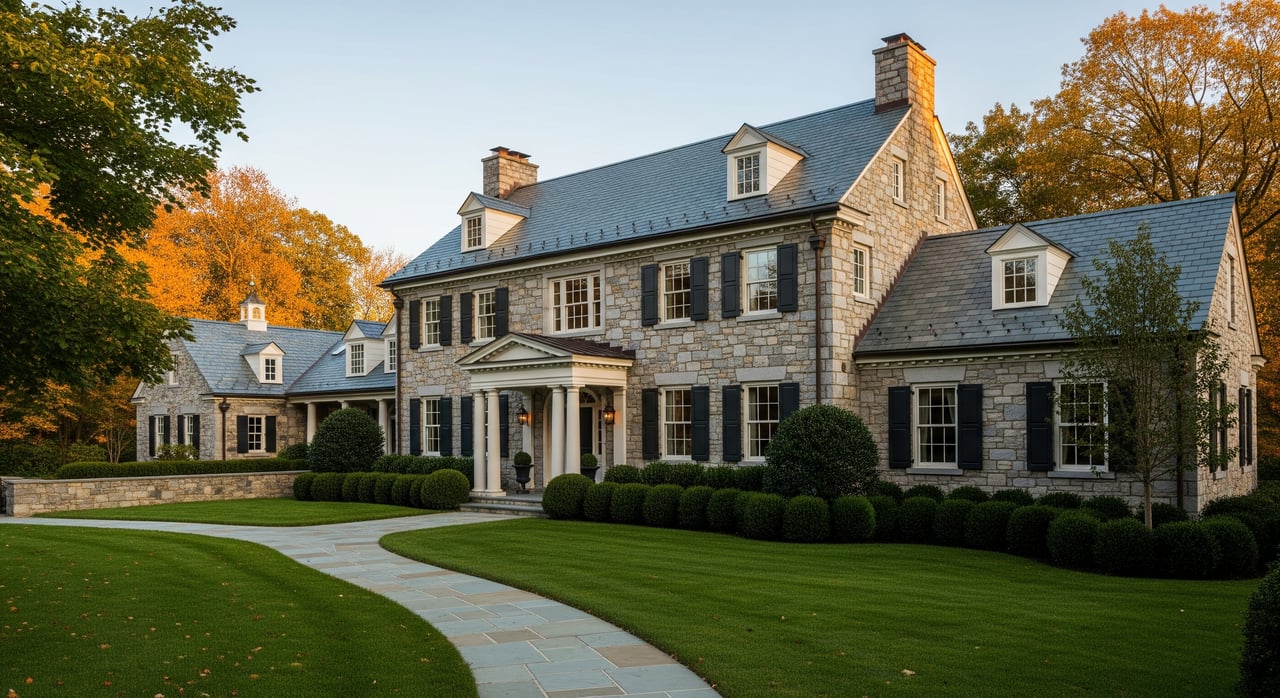
You’ll spot a Stone Colonial by its symmetrical look, center or slightly off‑center entry, and double‑hung multi‑pane windows. Stone, brick, or clapboard accents are common. Inside, expect a center‑hall plan with formal living and dining rooms up front, the kitchen toward the rear, and 3–4 bedrooms upstairs.
What this means for you:
- You get classic curb appeal and durable exteriors.
- Rooms are more defined. Opening walls for a larger kitchen or family space can be done, but often involves load‑bearing elements or chimneys.
- Older electrical, HVAC, and plumbing upgrades are common in this era.
Renovation notes:
- Check stone and mortar for wear and look for moisture around sills and flashing. Repointing or drainage work may be needed.
- Preserving plaster and original millwork adds charm but can raise costs. Energy upgrades usually start in the attic and basement rim joist rather than wall cavities.
Tudor Revivals: cues
Tudors feature steep gables, asymmetry, arched doors, and sometimes half‑timbering with stucco infill. Tall, narrow windows may be leaded or multi‑pane. Interiors lean cozy and compartmentalized, with bedrooms upstairs and some use of attic spaces.
What this means for you:
- You’ll get distinctive architecture and strong character.
- Roof and attic work can be more complex due to intersecting planes and steep pitches.
- Window preservation versus replacement is a budget call, especially if historic glass is in place.
Renovation notes:
- Opening sightlines can be trickier where chimneys, staircases, or load‑bearing walls create constraints.
- Matching decorative elements requires specialized trades if you aim to preserve original details.
Split levels: essentials
Split levels stack living zones on short flights of stairs. You’ll typically enter on a mid level with living and dining, then head up to bedrooms and down to a family room, mechanical area, or garage.
What this means for you:
- Great separation of spaces for busy households, with flexible lower‑level hangout areas.
- Lower levels can have lower ceilings and need moisture checks at garage interfaces.
- Creating a very open main level can require significant reconfiguration.
Renovation notes:
- Watch for foundation cracks, slab issues, or signs of water entry. Drain tile, sump pumps, and grading improvements are common.
- HVAC may be zoned or older. Consolidation and ductwork updates can improve comfort and efficiency.
Mid‑century ranches: tips
Mid‑century ranches and raised ranches favor horizontal lines, large picture windows, and an easy indoor–outdoor connection. Many ranch layouts already feel semi‑open, with bedrooms grouped in a wing and a basement or lower level for storage or rec space.
What this means for you:
- Single‑floor living is a big plus for long‑term accessibility.
- These homes are often easier to open up for a modern kitchen and great room.
- Large single‑pane windows look great but may need energy upgrades.
Renovation notes:
- Some have slab or crawlspace foundations, which can limit how you run new utilities.
- If built before modern rules, plan to test for lead paint or asbestos materials. Use proper abatement if found.
Tour checklist for any style
Use this quick checklist during showings to stay focused:
- Roof and structure: Look for roof age, sagging, or multiple shingle layers. Check for foundation cracks or efflorescence.
- Moisture control: Scan basements for water staining or mold, confirm gutters, downspouts, and grading move water away.
- Systems: Note the age and fuel type of HVAC, boiler, or furnace. Ask for service records.
- Electrical: Review the panel size and ask about any aluminum wiring or remaining knob‑and‑tube.
- Windows and insulation: Identify single‑pane originals and ask about attic or rim joist insulation.
- Health and safety: For pre‑1978 homes, plan for lead paint considerations. In Southeastern PA, radon testing and mitigation are common.
- Documentation: Ask about permits for past work, dates for roof, HVAC, and water heater, and any prior drainage or foundation repairs.
Renovation planning and scope
Before you fall in love with a floor plan, sketch a realistic scope:
- Cosmetic updates: Paint, flooring, and light fixtures are quick wins and budget friendly.
- Moderate projects: Kitchen or bath remodels, window replacements, or HVAC upgrades need permits and licensed trades.
- Major work: Removing load‑bearing walls, adding space, or foundation work requires engineering, permits, and multi‑trade coordination.
Decide what to preserve. Stone façades, leaded glass, and original millwork can be worth saving, but they require careful planning. If efficiency is a priority, focus on attic and rim‑band insulation, sealed and efficient HVAC, and strategic window upgrades where heat loss is greatest.
Financing renovation work
If you plan to purchase and improve a home, consider these paths:
- Conventional purchase with a renovation add‑on, depending on lender options.
- FHA 203(k) or Fannie Mae HomeStyle Renovation for purchase plus rehab in one loan, subject to program rules and lender availability.
- HELOCs or home improvement loans if you already own or plan to refinance later.
Your lender can confirm what fits your credit, income, and scope. If you are a medical professional, ask about physician‑focused mortgage options. Our team can help coordinate introductions to lenders and programs that align with your goals.
Match style to lifestyle
Use these quick fit checks:
- Prefer formal rooms and classic curb appeal: Look at Stone Colonials or larger Tudors, but budget more for opening walls and system upgrades.
- Love historic character: Tudors deliver detail, with preservation decisions to weigh against modernization.
- Want separated living zones and value: Split levels often offer more space at approachable prices, with moisture checks at lower levels.
- Need one‑level living and easier updates: Mid‑century ranches often convert well to open plans and accessibility improvements.
Ready to tour smarter?
When you can recognize key styles and the work they may need, you make faster, better decisions. If you want a guided plan for showings, renovation budgeting, and the best financing path for your situation, reach out. The Sean Ryan Team combines local expertise, a high‑touch process, and specialty lending guidance for professionals to keep your move on track. Connect with Sean Ryan to start your Huntingdon Valley search with a plan.
FAQs
What home styles are most common in Huntingdon Valley?
- You’ll most often see Stone Colonial Revivals, Tudor Revivals, 1950s–1970s split levels, and mid‑century ranches on suburban lots.
How do Stone Colonials typically lay out inside?
- Expect a center‑hall plan with formal living and dining rooms, the kitchen at the rear, and 3–4 bedrooms upstairs, plus a basement and sometimes an attic.
Are split levels hard to open up?
- They can be, since levels are staggered and walls may be load bearing. Significant reconfiguration is often needed to create a wide open main level.
What should I check for during showings in this area?
- Look at roof and foundation condition, signs of basement moisture, system ages, electrical panel capacity, window type, and documentation for past permitted work.
Do I need to test for radon or lead paint?
- In Southeastern PA, radon testing is common, and pre‑1978 homes may involve lead paint considerations. Plan to test and mitigate or abate if needed.
Which renovation loans can bundle purchase and repairs?
- FHA 203(k) and Fannie Mae HomeStyle Renovation can combine purchase and rehab in one loan, subject to program rules and lender availability.