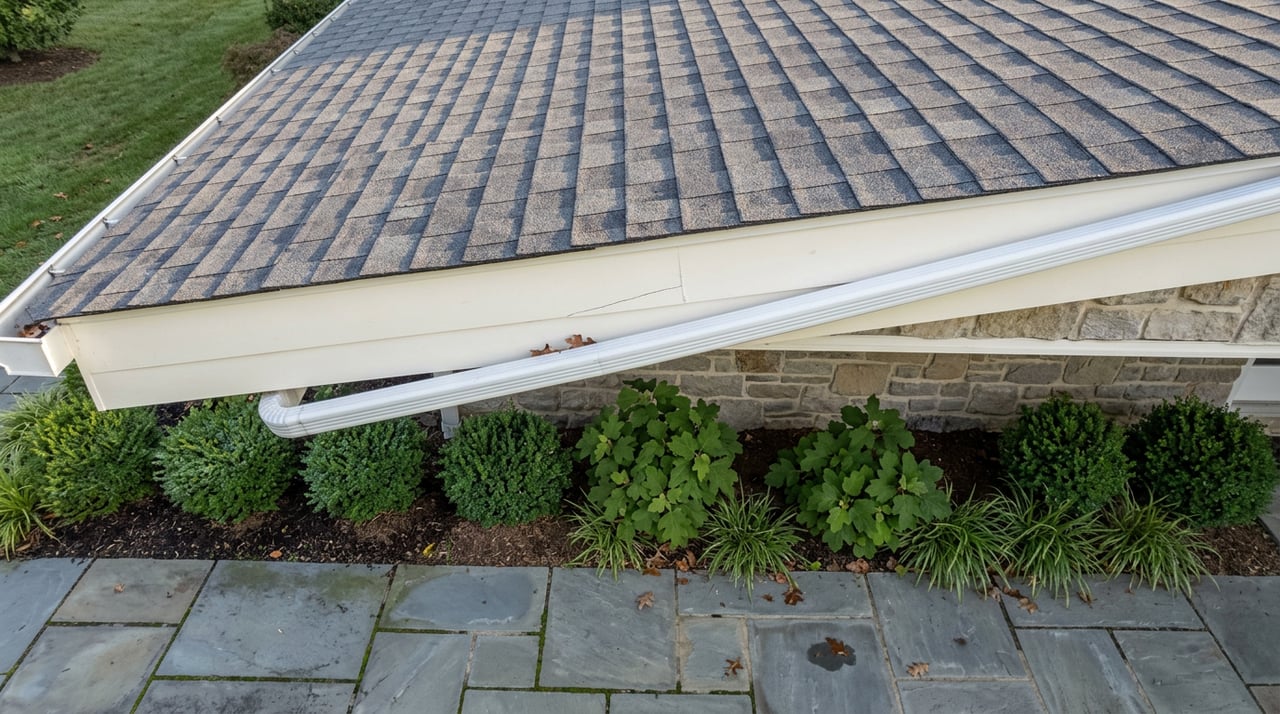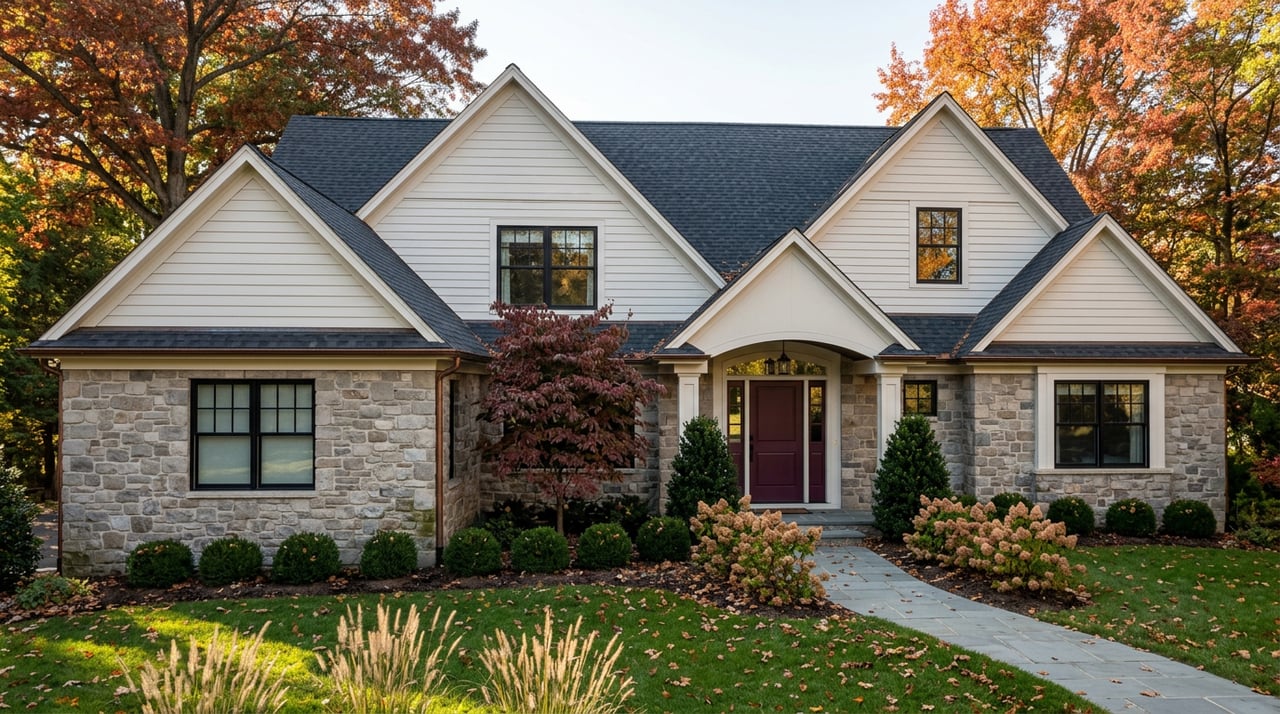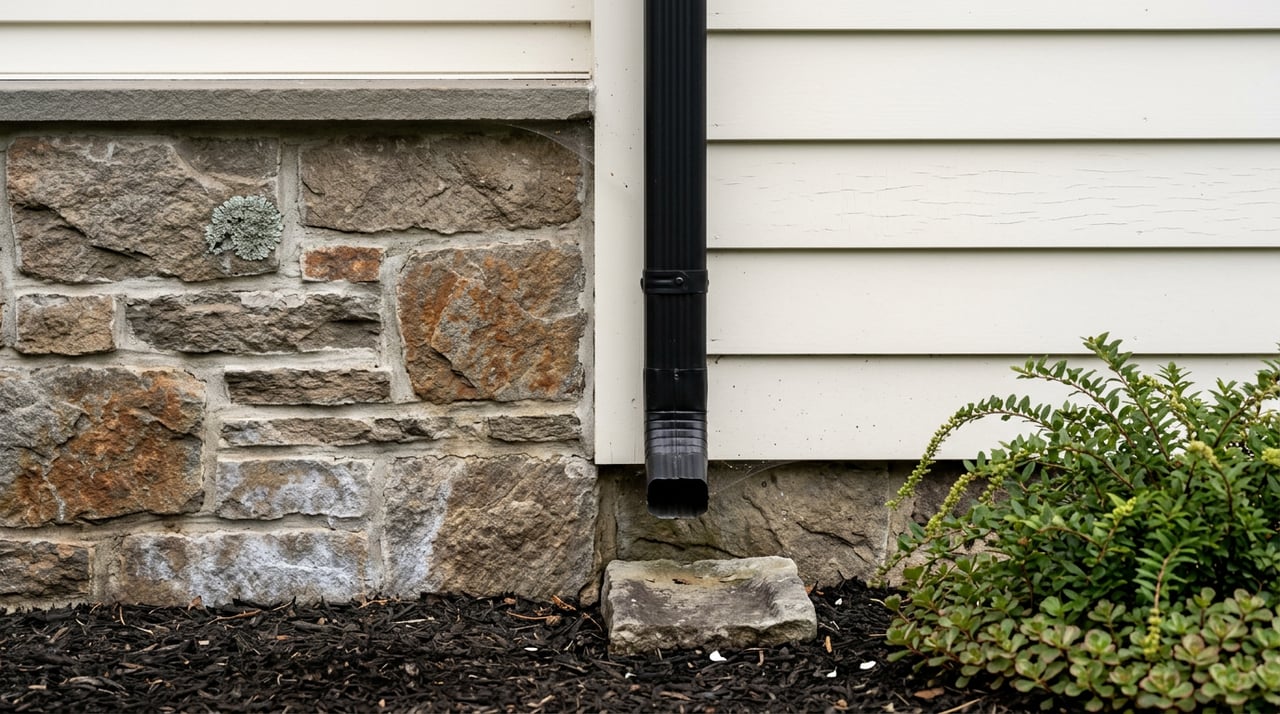
"The concern of Council was health, safety, and welfare of the Borough and its residents." That's how Ambler Borough explained its own reasoning when it adopted Ordinance 1135 in September 2023, the rule that quietly changed what it takes to sell a house inside the borough's one square mile. If you're picturing the standard Pennsylvania closing checklist, a signed disclosure statement, a buyer's inspection, a trip to the title company, Ambler adds a step most of Montgomery County doesn't have: its own point-of-sale inspection, run by the borough, before a Use and Occupancy certificate is issued to the new owner.
Sellers a few blocks over in Abington don't deal with this. Sellers in most townships that ring Ambler don't deal with it either. The borough decided its housing stock, much of it built during the Keasbey & Mattison manufacturing era that once made Ambler the country's asbestos-producing capital, needed a level of municipal oversight that neighboring communities skip. Understanding what that oversight actually requires, and what it costs in time before you can close, is the difference between a smooth listing and a surprise six weeks before settlement.
What the Borough Checks Before a Buyer's Inspector Ever Shows Up
Ordinance 1135 took effect November 6, 2023, with one requirement delayed a year to give homeowners time to prepare. Here's the full list a seller works through:
| Requirement | Who performs it | When it's due |
|---|---|---|
| Sewer lateral video inspection | A licensed master plumber | Effective September 1, 2024 |
| Curb and sidewalk condition | Borough inspector marks needed repairs | Before full Use and Occupancy, or within 12 months under a temporary permit |
| Backflow preventer verification | Homeowner or plumber, confirmed by borough | At time of inspection |
| Water service line material disclosure | Ambler Borough Water Company records | Lead, non-lead, or unknown status noted |
| House numbers, minimum 3 inches | Homeowner | Visible from the street |
There's no fee for the certificate itself. The borough has been explicit about that. But "no fee" for the paperwork doesn't mean no cost for the process. The sewer lateral scope is the one that catches sellers off guard. In older sections of the borough, particularly homes built without a modern cleanout, getting a camera down that line can mean cutting an access point into the pipe or temporarily pulling a toilet. That's a real line item on top of whatever a buyer's own inspector finds, and it has to happen before the plumber's report can clear the requirement.
Why This Isn't Standard Across Montgomery County
Compare this to Abington, right next door. Single-family owner-occupied sellers there submit a letter confirming smoke detectors, a carbon monoxide detector, a backflow preventer, and house numbers are in place. No borough inspector walks the property. No fee. No video camera in the sewer line. It's a self-certification, not a physical inspection.
Ambler chose the harder path on purpose. During the public comment period before council adopted the ordinance, one estimate circulated putting Ambler's average home sales at roughly 73 per year over a five-year stretch, meaning it would take somewhere north of two decades to scope every private lateral in the borough at that pace, even with the point-of-sale rule in place. Council heard that math and passed the ordinance anyway, delaying only the lateral requirement by a year rather than dropping it. That tells you the borough sees this as a long-term infrastructure and safety project, not a quick fix, and sellers listing this year and next are the ones absorbing the friction while that project plays out.
The Layer Underneath: Pennsylvania's Disclosure Law Still Applies
Ambler's ordinance doesn't replace anything the state already requires. Every seller in Pennsylvania, regardless of municipality, has to complete a Seller's Property Disclosure Statement under the state's Real Estate Seller Disclosure Law, and that statement has to be signed and delivered before the agreement of sale is signed, not after. Among the material facts a seller has to address is the presence of hazardous substances, and Pennsylvania names asbestos specifically. A seller who knowingly omits it, or a listing agent aware of it who stays silent, can face liability from the buyer after the fact.
That statute matters in Ambler more than in most towns, because the borough's building stock has a documented history with the material. From the 1880s through the 1960s, Keasbey & Mattison and its successor companies manufactured asbestos products here at a scale that earned the town its old nickname. Two federal Superfund sites, the Ambler Asbestos Piles on Locust Street and the BoRit Asbestos site straddling Ambler, Upper Dublin, and Whitpain townships, trace directly back to that era. The EPA finished capping and remediating BoRit with a final plan released in 2017, and WHYY reported at the time that regulators expected to monitor the site indefinitely even after handing routine oversight to the state. Part of that reclaimed land has since become public park space with basketball courts, a playground, and walking trails, a sign of how far the cleanup has come.
None of that means every home in Ambler sits on contaminated ground. The Superfund parcels are specific, mapped, and monitored. What the era left behind is something different: the building materials that went into ordinary houses constructed while the plant was running.
What Shows Up During a Walk-Through in the Older Sections
A home inspector who has worked in Ambler for more than two decades and holds ASHI and InterNACHI credentials describes a version of the pre-walk conversation with sellers here that doesn't happen the same way in newer Montgomery County developments. In pre-1980 borough homes, particularly the worker housing built up around North Spring Garden Street and the blocks running through South Ambler, he routinely documents suspected asbestos-containing pipe insulation in basements, 9x9 floor tiles set with black mastic, transite siding panels, and cement-asbestos roof shingles.
The pattern he describes is straightforward and worth knowing before you list: a seller's disclosure statement says "no known asbestos materials," which is technically accurate if nothing has ever been tested, and then the inspection turns up pipe wrap or transite flue panels the seller genuinely didn't know were there. One case he recounts involved a twin near Lindenwold Avenue where exactly that happened. The buyer and seller walked through the findings together and renegotiated with full information instead of the buyer discovering it after moving in. That's the outcome you want. The alternative, where it surfaces after closing, is the one that turns into a dispute.
The borough also holds permit history and code enforcement records tied to individual properties, so a seller can often get ahead of surprises by requesting that file from the code office before listing. It's a low-cost step that tells you what's already been documented, tested, or remediated on a specific address.
A Practical Sequence for Ambler Sellers
If you're planning to list a home in the borough, the order of operations matters more than it would somewhere without a municipal inspection layer:
- Contact the Ambler Borough Code Department early to review the resale U&O checklist and pull any permit history on the property.
- Schedule the master plumber's sewer lateral video inspection well before your target listing date, since older homes without an existing cleanout may need extra time and cost to complete it.
- Walk the curb and sidewalk frontage yourself, or have the borough mark it, so repair needs don't surface late.
- Confirm your water service line status with Ambler Borough Water Company records.
- If your home predates 1980, consider a general home inspection ahead of listing, local rates for a full inspection typically start in the mid-$300s, so any suspected asbestos-containing materials can be identified and addressed on your own timeline rather than a buyer's.
- Complete the Pennsylvania Seller's Property Disclosure Statement based on what you actually know and what any pre-listing inspection uncovers, not just what's visible on the surface.
A Few Common Questions
Does the resale ordinance apply to every sale in Ambler? It applies to residential resales in the borough. The sewer lateral requirement in particular has been in effect since September 1, 2024.
Is there a cost to get the certificate? The borough doesn't charge for the Use and Occupancy certificate itself. The costs come from the master plumber's inspection, any required curb or sidewalk repair, and whatever your own pre-listing inspection turns up.
Does the Superfund history mean my house has an asbestos problem? Not necessarily. The two federal sites are specific, mapped parcels that have been capped and are monitored. What the era left behind more broadly is a building material legacy in homes constructed while local manufacturing was active, which is a separate question from soil or site contamination.
Selling a house in a town with this much history, and a municipal checklist this specific, is manageable once you know the sequence ahead of time, and it rewards sellers who start early instead of finding out about Ordinance 1135 from a buyer's agent mid-contract. If you're weighing a listing in Ambler, or comparing what a sale here actually involves against a neighboring borough, the Sean Ryan Team works through this exact sequence with sellers regularly. Get your free home valuation and we'll walk the timeline with you before you ever put a sign in the yard.