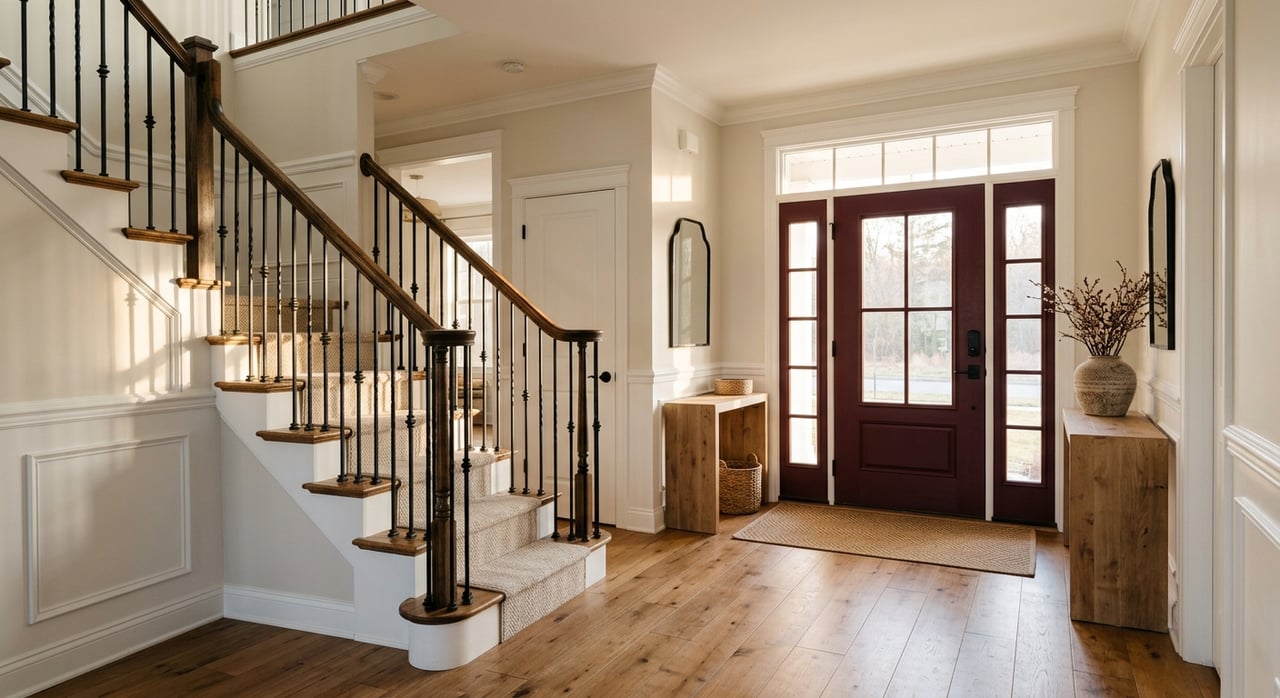
Thinking about buying your first home in Huntingdon Valley? You are not alone, and you are not wrong to feel a little overwhelmed. Between prices, taxes, inspections, and figuring out which homes are worth a closer look, there is a lot to sort through. This guide will help you understand how the Huntingdon Valley market works, what costs to plan for, and how to shop with more confidence. Let’s dive in.
Why Huntingdon Valley Appeals
Huntingdon Valley is closely tied to Lower Moreland Township, a community of about 7 square miles with roughly 13,200 residents. The township also notes nearly 2,000 businesses, about 1,500 acres of preserved meadows, woodlands, and trails, plus two SEPTA Regional Rail stations with express service to Center City Philadelphia. For many first-time buyers, that mix means suburban space with a workable connection to the city.
If your goal is to trade rent for ownership without feeling too far removed from Philadelphia, this area often stands out for practical reasons. You get a suburban setting, established housing stock, and rail access that can support commuting or regular trips into the city. That combination shapes both demand and buyer expectations here.
What the Market Looks Like
Huntingdon Valley is not a one-speed market. Redfin’s March 2026 snapshot shows a median sale price of $773,000, a median price per square foot of $250, and an average of 111 days on market. About 38.1% of homes sold above list price, and some homes received multiple offers.
That tells you something important as a first-time buyer. You may find room to negotiate on some listings, especially those that sit longer, but you still need to be ready to move when a well-priced home gets attention. Redfin also reports that hot homes can go pending in around 19 days.
Set Your Budget Beyond Price
One of the biggest first-time buyer mistakes is focusing only on the list price. In Huntingdon Valley, your monthly and upfront costs can include much more than the mortgage itself. A better way to plan is to look at the full picture before you start making offers.
Here are the main budget areas to think through:
- Down payment
- Principal and interest
- Property taxes
- Homeowners insurance
- Closing costs
- Transfer tax
- Maintenance and repairs
Lower Moreland Township says property taxes come in two bills. One bill covers school taxes, and another covers township, county, and trash, recycling, and yard-waste charges. The township also says the school tax makes up about 80% of property taxes, which is useful to know when you estimate long-term ownership costs.
The township also levies a local earned income tax split between the township and school district, plus a local services tax for people employed in the township. While not every local charge affects every buyer the same way, the bigger lesson is simple: your real cost of ownership is broader than principal and interest.
Plan for Closing Costs Early
Closing costs can catch first-time buyers off guard if they wait too long to ask about them. In Montgomery County, the Recorder of Deeds states that the realty transfer tax is 2 percent. That alone makes it important to build a real closing budget instead of assuming your cash needs stop at the down payment.
The county also requires certain recording details and forms for deeds and mortgages, including identification of the property’s municipality, county, and state, plus a Statement of Value when required. You do not need to memorize the paperwork, but you do need to expect title work, recording charges, and other settlement costs to be part of the transaction.
Compare Home Types Carefully
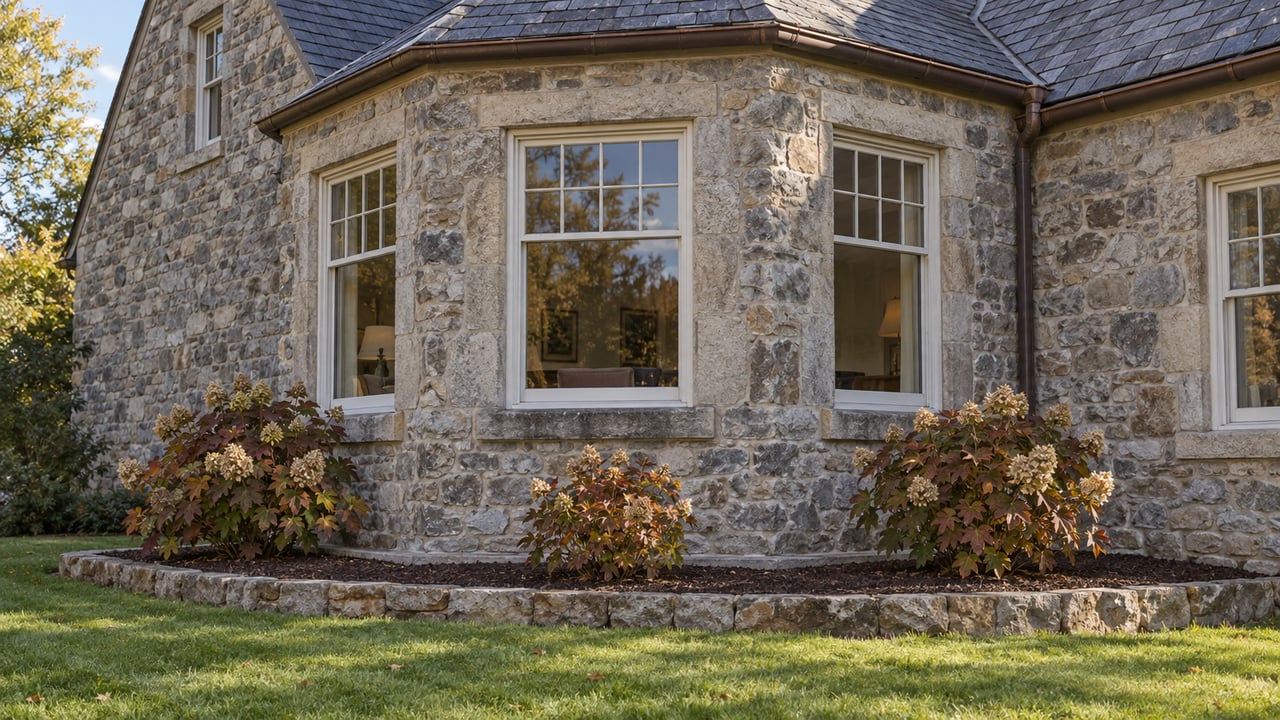
Huntingdon Valley offers a meaningful range of home types, including condos, lower-priced homes, and luxury homes. For a first-time buyer, that means your early decisions matter. The right fit is not only about price, but also about upkeep, layout, and how much responsibility you want to take on.
A condo or attached home may offer lower exterior maintenance. A detached home may give you more yard space, privacy, or flexibility, but it can also bring more ongoing work and repair responsibility. Deciding which tradeoffs matter most to you can save time and help you avoid chasing homes that do not really fit your lifestyle.
Look Closely at Property Condition
In Lower Moreland Township, property maintenance rules cover issues like weeds, exterior repair, trash and debris, fences, sidewalks, and snow and ice removal. That matters when you are comparing older resale homes. Cosmetic charm and true condition are not always the same thing.
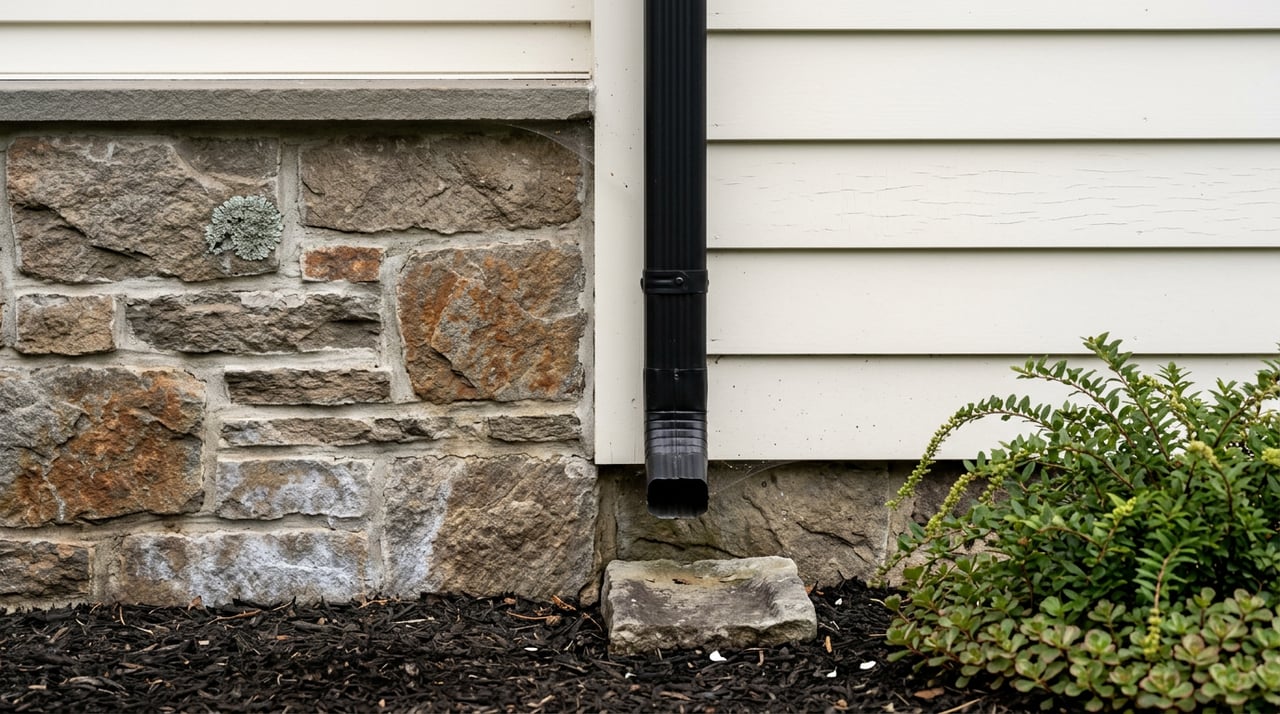
When you tour homes, pay attention to signs of deferred maintenance. Exterior wear, aging surfaces, drainage concerns, or neglected sidewalks can signal future costs. Even if a home looks appealing online, you want to think about what it may require after closing.
Listing Words to Watch
Some listing language can give you clues about cost exposure or negotiation room. You do not need to decode every real estate phrase, but you should slow down when a description suggests updates, repairs, or a property being sold in current condition.
As you read listings, ask yourself:
- Does the description suggest the home needs immediate work?
- Are updates clearly described, or are details vague?
- Does the time on market suggest stronger negotiating potential?
- Does the exterior condition match the asking price?
Know the School District Context
For many buyers, school-boundary fit is part of the home search, whether for current use or future planning. Lower Moreland Township School District is headquartered in Huntingdon Valley and serves about 2,400 students across four schools: Pine Road Elementary, Murray Avenue School, Lower Moreland Middle School, and Lower Moreland High School.
If school assignment matters to your household, verify the property’s fit carefully during your search. Boundaries, grade configurations, and enrollment details are practical items to confirm early so they can inform your decision with the rest of your housing criteria.
Understand Inspections and Contingencies
Once you find a home you want, the contract stage can feel intimidating. A contingency is simply a condition that must be satisfied for the transaction to move forward. For first-time buyers, the inspection contingency is often one of the most important.
Consumer homebuying guidance explains that you should schedule the home inspection as soon as possible. If your purchase contract is contingent on a satisfactory inspection, you may be able to cancel without penalty if the inspection is unsatisfactory. If the inspection uncovers major repairs, the seller may negotiate, or the closing process may become more complicated.
Why Fast Action Matters
In a market where some homes move quickly and others sit, timing still matters. You want enough time to do your due diligence, but you also want to be ready to schedule inspections and keep the transaction moving. Delay can create extra stress, especially on homes that attract multiple buyers.
This is one reason preparation matters before you write an offer. Understanding your budget, priorities, and comfort with repairs helps you make cleaner decisions when the right home appears.
Expect an Appraisal and Final Closing Steps
A lender generally requires an appraisal as part of the financing process. That step is separate from the inspection. The inspection helps you understand condition, while the appraisal helps the lender assess value in relation to the loan.
Closing is the final step where loan and purchase documents are signed and the transaction is completed. Consumer homebuying guidance also notes that you should have homeowners insurance and title insurance lined up before closing. In simple terms, the accepted offer is not the finish line. Closing is when the purchase is actually completed.
A Smart First-Time Buyer Strategy
You do not need to know everything on day one, but you do need a clear plan. In Huntingdon Valley, that plan should reflect both market variability and the true cost of ownership. Some homes may allow negotiation, while others may require quick, confident action.
A strong first-time buyer strategy usually includes:
- Setting a realistic all-in monthly budget
- Saving for closing costs and transfer tax
- Choosing your preferred home type early
- Watching for condition issues in older resale homes
- Verifying practical details like taxes and school fit
- Moving quickly on strong listings when needed
If you are a medical professional exploring your financing options, specialty mortgage guidance may also be worth discussing early. The Sean Ryan Team’s MD Solutions focus can be especially relevant if you want to understand lender pathways designed for physicians while shopping in the Philadelphia suburbs.
Buying your first home in Huntingdon Valley can feel like a big leap, but it gets much more manageable when you break the process into clear steps. With the right guidance, you can sort through pricing, condition, taxes, and timing without feeling like you are guessing. When you are ready for a local, full-service team to help you navigate the process, connect with Sean Ryan.
FAQs
What should first-time homebuyers budget for in Huntingdon Valley?
- You should budget for more than the down payment, including principal, interest, property taxes, homeowners insurance, closing costs, transfer tax, and ongoing maintenance.
How competitive is the Huntingdon Valley real estate market?
- Huntingdon Valley is somewhat competitive, with some homes sitting longer and others getting multiple offers, while about 38.1% of homes sold above list price in Redfin’s March 2026 snapshot.
What property taxes should buyers expect in Lower Moreland Township?
- Lower Moreland Township says property taxes come in two bills, with school taxes making up about 80% of the total property tax burden.
What home types can first-time buyers find in Huntingdon Valley?
- Buyers can find a range of options, including condos, lower-priced homes, and luxury homes, so it helps to decide early between lower-maintenance attached living and detached homes with more upkeep.
Why do home inspections matter for first-time buyers in Huntingdon Valley?
- Inspections matter because they can uncover repair issues, and a contract with an inspection contingency may allow you to cancel without penalty if the results are unsatisfactory.
What should buyers know about closing on a Huntingdon Valley home?
- Closing is the final step when the purchase and loan documents are signed, funds are distributed, and you should already have homeowners insurance and title insurance in place.