Looking for a suburb close to Philadelphia that still feels distinct from block to block? In Cheltenham, you get historic stone estates, cozy Tudors, mid‑century ranches, and new townhomes within a few miles of each other. If you want options on architecture, lot size, and commute, this patchwork township offers plenty to explore. In this guide, you’ll learn how home styles map to neighborhood character so you can zero in on the right fit for your lifestyle and budget. Let’s dive in.
Why Cheltenham stands out
Cheltenham Township sits on Philadelphia’s northern border in Montgomery County and is home to roughly 38,800 residents as of July 1, 2024, according to U.S. Census QuickFacts. It is an inner‑ring suburb with multiple SEPTA regional rail stops and bus routes, which is a big draw if you want a shorter commute to the city. As a result, some neighborhoods feel more transit‑oriented while others lean quiet and residential. Profiles of Elkins Park and surrounding areas highlight the mix of historic homes and commuter access that set Cheltenham apart from many single‑character suburbs (MontcoLiving overview).
Cheltenham includes several named communities: Elkins Park, Wyncote, Glenside, Cheltenham Village, LaMott, and Melrose Park among others. Street character can change within a few blocks, so it helps to understand where certain home styles tend to cluster.
Signature home styles you will see
Stone Colonials and Colonial Revival
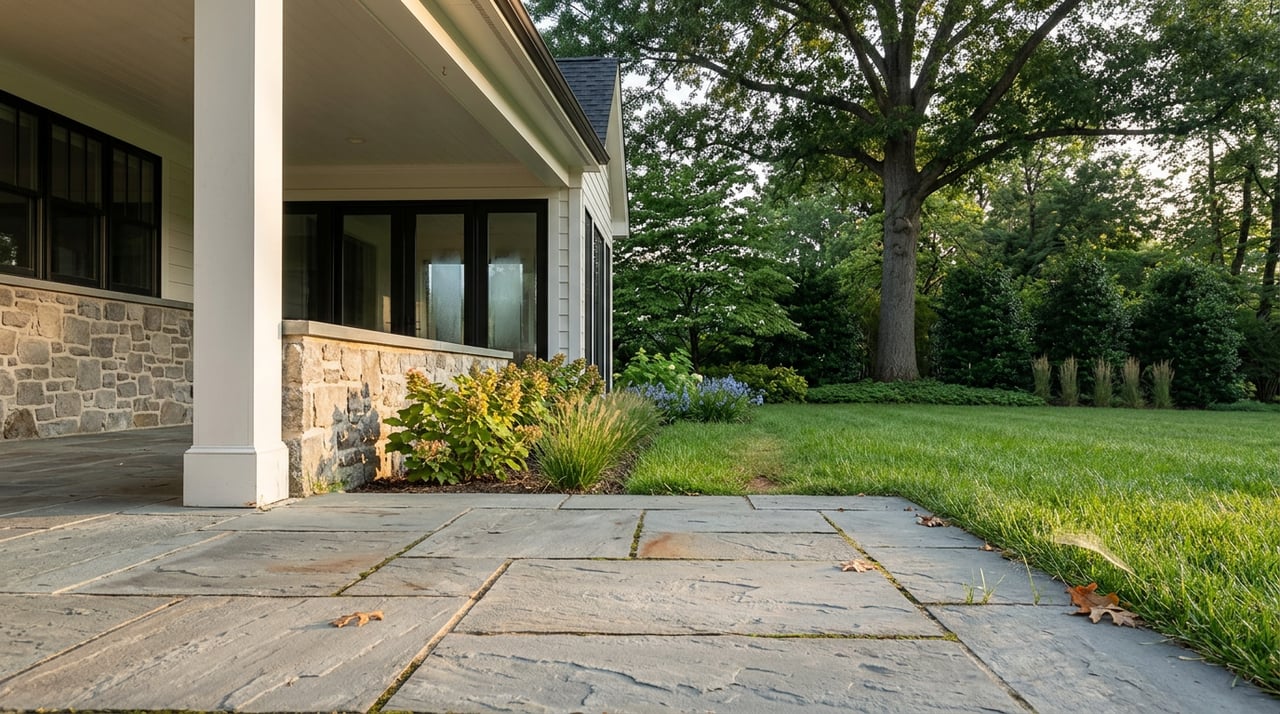
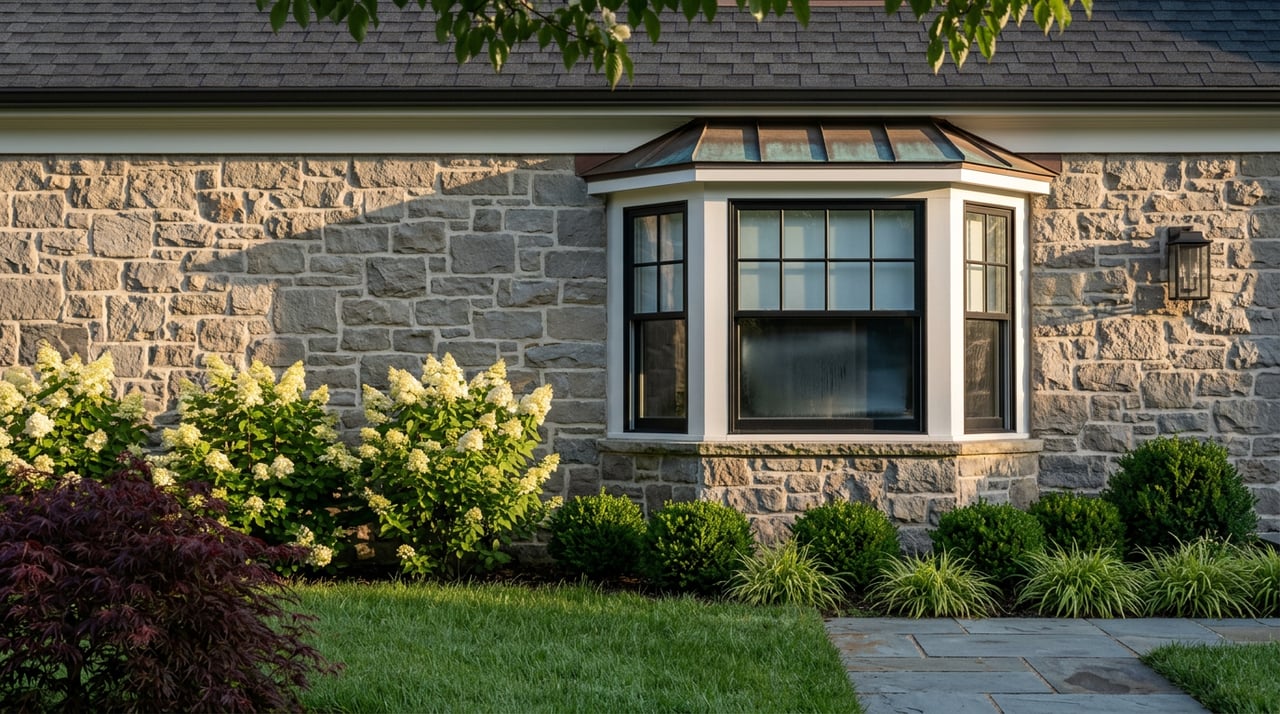
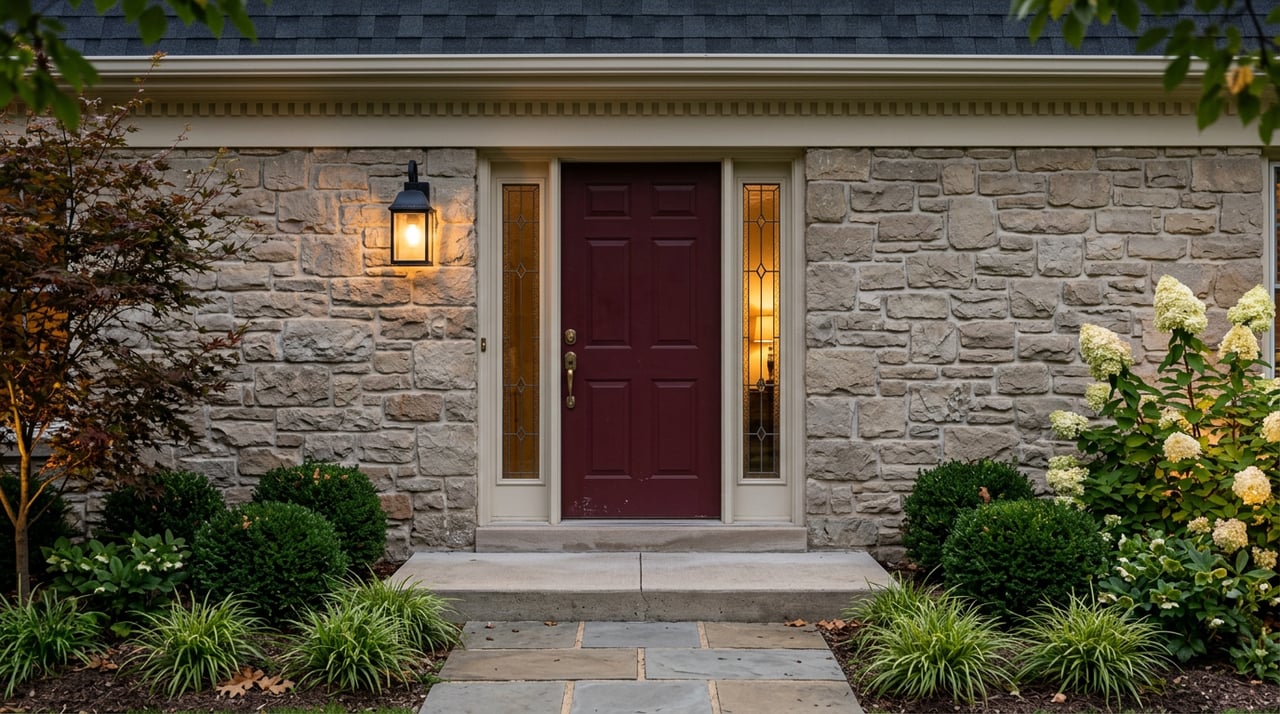
These homes are a Cheltenham staple. You will find two to two‑and‑a‑half story masonry or stone‑faced facades, center‑hall plans, formal living and dining rooms, fireplaces, and generous attics. In Elkins Park and nearby sections, you can see the full range from well‑detailed Colonial Revivals to Gilded‑Age estates like Lynnewood Hall. Expect traditional, compartmentalized rooms that many owners open up over time. Strong renovation potential is common thanks to solid construction and original millwork, though you should plan for mechanical upgrades. Exterior changes in designated historic districts may require review by township boards (Cheltenham Township resources).
Tudor Revival
If you love steep gables, arched entries, and decorative half‑timbering, Tudor Revival homes deliver. Many date to the early 20th century and include multi‑pane windows and detailed woodwork. You will find notable concentrations in Elkins Park and Wyncote, with both architect‑designed and catalog plans represented. Interiors often feature cozier, separate rooms with interesting roofline shapes upstairs, which many buyers renovate sensitively for better flow. For a clear style primer, see the Tudor Revival overview.
Late‑19th and early‑20th century Victorians
Victorians, including Queen Anne variants, appear in older plats of Wyncote, Glenside, and parts of Elkins Park. Look for asymmetrical facades, turrets or bays, decorative trim, and deep porches. Lots tend to sit on mature, tree‑lined streets. The Wyncote Historic District, noted on the National Register, showcases many of these homes on larger lots with an architect‑designed pedigree (Wyncote context via LivingPlaces).
Mid‑century ranches and split‑levels
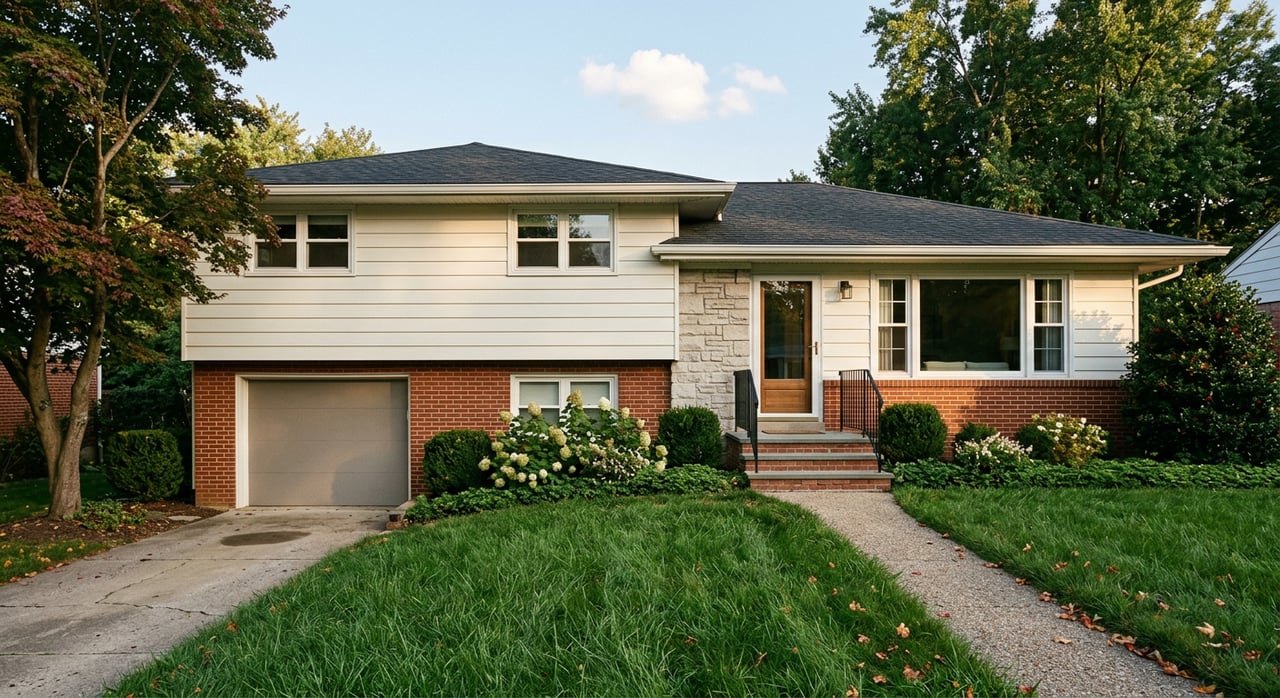
Post‑war neighborhoods from the 1940s to 1960s brought single‑story ranches and multi‑level splits to several Cheltenham sections, especially around Melrose Park and interior streets of Cheltenham Village. These homes often sit on smaller lots than the estate sections. Many buyers like them for easier upgrades, such as opening the kitchen to a family room. Adding a second story or relocating plumbing still calls for proper engineering and permits.
Twins, townhomes, and newer infill
You will find twins and small townhome clusters across Cheltenham Village and Melrose Park, with newer infill projects appearing along some corridors. Compared to older single‑family homes, these typically offer smaller private yards and more open first‑floor plans. A larger wave of townhome and multifamily supply is on the horizon near the former Melrose Country Club site, which can expand options for low‑maintenance living.
Neighborhood character at a glance
Elkins Park
Elkins Park blends Gilded‑Age estates, early 20th century Tudors and Victorians, mid‑century ranches, and denser twins near rail stations. It features landmarks like Frank Lloyd Wright’s Beth Sholom Synagogue and Lynnewood Hall, and it has pockets of local retail near the Elkins Park and Melrose Park stations. Expect tree‑lined streets and a wide range of lot sizes (MontcoLiving overview).
Wyncote
Wyncote reads as a planned turn‑of‑the‑century suburb with large, landscaped lots and a high concentration of Queen Anne, Colonial Revival, and Tudor Revival homes. The Wyncote Historic District is recognized on the National Register. Interiors and lot sizes tend to skew larger than in denser parts of the township (LivingPlaces background).
Glenside and Keswick Village edges
This area offers a small‑town village feel with walkable retail in Keswick Village, a mix of older worker‑housing rows, and many single‑family homes on modest lots. Blocks near parks and preserves feel greener and more residential. Direct rail access and the village center appeal to buyers who want a neighborhood hub.
Cheltenham Village
Historically mill‑centered, Cheltenham Village includes compact lots and a mix of twins, row‑style houses, and smaller singles. It feels closer to commercial corridors, with shorter walks to shops and services.
LaMott
LaMott is a small, historically significant district with preserved resources and a village feel noted in preservation listings. If history matters to you, this is an area to explore for its unique context and streetscape.
Melrose Park and the city edge
Closer to the Philadelphia line, Melrose Park features more compact post‑war subdivisions on modest lots, plus ongoing and planned redevelopment. Expect smaller yards, twins and townhomes, and quick access to rail and city amenities.
What to expect as a buyer
- Lot size: Expect wide variation. Wyncote and parts of Elkins Park have larger, wooded parcels, while Melrose Park and Cheltenham Village often have smaller lots around 5,000 to 8,000 square feet on tighter blocks. For any specific address, county assessor records provide the exact lot area (LivingPlaces context).
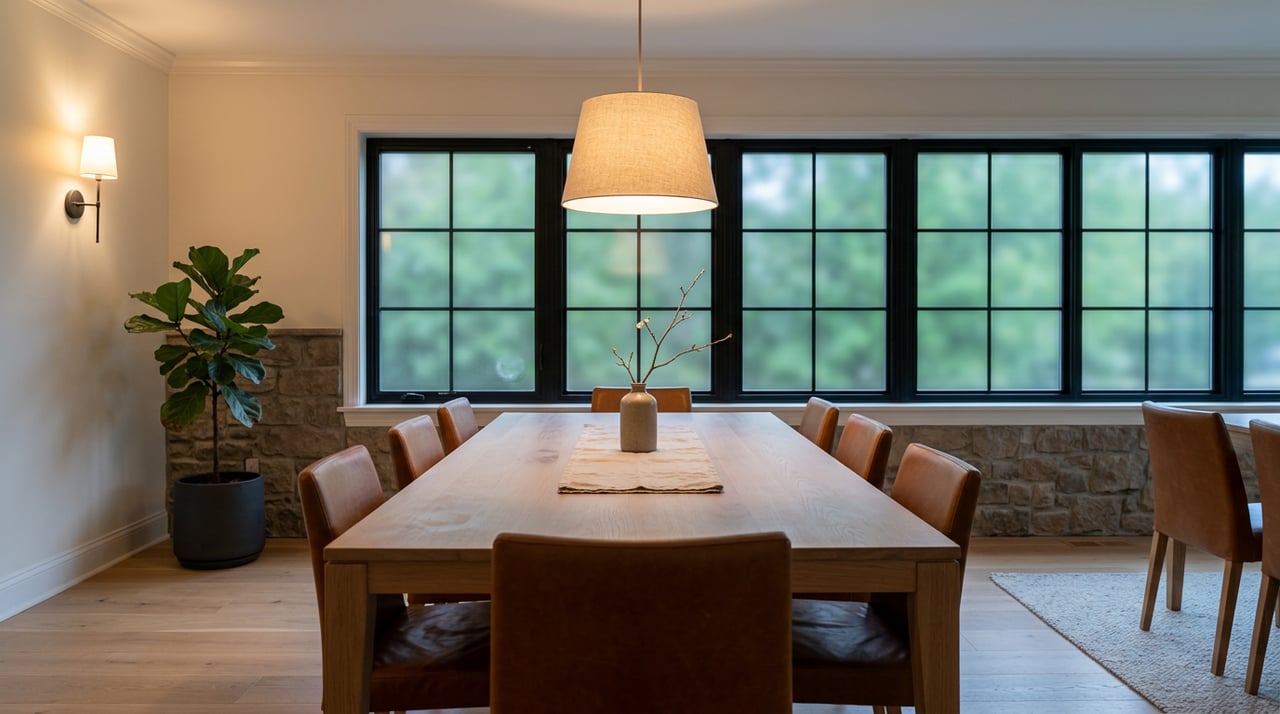
- Interior flow: Older Colonials, Tudors, and Victorians usually have formal rooms with separate kitchens. Mid‑century ranches and splits lean informal and zoned. Newer townhomes often use open first floors with stacked bedrooms above.
- Common renovations: Plan for mechanical upgrades in older homes, such as heating conversions, electrical updates, insulation, and drainage work. Pennsylvania has a significant number of older service lines, so consider testing for lead in service lines and taps, and clarify replacement responsibility before closing (NRDC overview on lead service lines).
- Historic and exterior changes: Cheltenham maintains a Historical Commission and a Board of Historical and Architectural Review. If the property sits in a historic district or is a registered resource, exterior changes may need review. Engage township planning and zoning early if you are considering additions or façade changes (Cheltenham Township resources).
- Permits and stormwater: Additions and certain renovations are regulated by zoning and stormwater rules. Some thresholds, like the definition of substantial improvement, can trigger additional requirements. Review the township code and speak with Planning and Zoning before you finalize plans (Township code excerpt).
Prices and inventory at a glance
Cheltenham’s indicators land in the mid range for inner Montgomery County but vary by neighborhood and house type. As of late 2025, public portals reported a spread in township level medians that reflect different methodologies and geographies: about 492,000 on a June 2025 Redfin median list basis, about 381,887 for Zillow’s ZHVI through December 31, 2025, and around 435,000 on Realtor.com in late 2025. These figures are directional, not comps. For the latest overview, see the township market snapshot noted by Rocket’s Cheltenham report, and rely on current MLS data for pricing a specific property.
A practical range to expect: smaller twins or townhouses in some sections can trend in the low to mid 300,000s, while larger estate‑scale homes can move into the 700,000s and above. Renovated mid‑century singles and updated Colonials often fall in the middle. Your exact target depends on lot size, square footage, renovations, and micro location.
Development shaping neighborhood character
One of the largest changes on the horizon is the Enclave at Melrose, a multi‑phase redevelopment at the former Melrose Country Club. Plans outline townhomes, 55 plus units, multifamily flats, medical office, and community amenities, with early residential construction reported to begin in 2027. This project will likely increase townhome and multifamily supply and influence nearby pricing and options (Suburban Realtors Alliance update, Vista Today coverage). Infill townhome construction is also appearing along select corridors, which can introduce newer housing choices on smaller lots.
Matching your lifestyle to the right pocket
- You want architectural variety and larger lots: Focus on Wyncote and parts of Elkins Park. Expect substantial stone Colonials, Tudors, and Victorians, often on tree‑lined streets with more space.
- You want a walkable village center and rail: Explore areas near Keswick Village in Glenside or the blocks around Elkins Park and Melrose Park stations. You will see a mix of older singles and denser housing types.
- You want lower yard maintenance or new construction: Consider Melrose Park and Cheltenham Village for twins and townhomes, and keep an eye on new builds tied to the Enclave at Melrose and other infill sites.
- You want easier renovation: Mid‑century ranches and split‑levels can be good candidates for open living reworks without heavy structural changes compared to some early 1900s layouts.
Choosing the right fit often comes down to tradeoffs between lot size, commute, and maintenance. A quick strategy is to shortlist two or three neighborhoods, then tour homes that represent different eras and layouts so you can compare flow, light, and outdoor space side by side.
Ready to explore Cheltenham?
Whether you are aiming for a stone Colonial near Wyncote’s historic streets or a low‑maintenance townhome close to rail in Melrose Park, we can help you navigate style, pricing, and permits with confidence. If you are a physician buyer, ask about our MD Solutions guidance for specialty mortgage options. When you are ready, connect with Sean Ryan for a local plan, on‑market opportunities, and tailored next steps.
FAQs
What makes Cheltenham different from other Philly suburbs?
- You get a rare mix of Gilded‑Age estates, early 1900s Tudors and Victorians, mid‑century homes, and new townhomes, plus multiple SEPTA stops that support shorter commutes (MontcoLiving overview).
Where do larger lots cluster in Cheltenham?
- Larger, wooded lots are common in Wyncote and parts of Elkins Park, while Melrose Park and Cheltenham Village often have smaller parcels around 5,000 to 8,000 square feet (LivingPlaces context).
How do home interiors differ by style in Cheltenham?
- Older Colonials, Tudors, and Victorians have formal rooms and separate kitchens, mid‑century ranches and splits are more zoned and informal, and newer townhomes favor open first floors.
What permits or reviews might I need for renovations?
- Additions and certain exterior changes can require township permits, stormwater compliance, and historic review if the home is in a designated district; start with Cheltenham Township resources and the code reference.
Should I test for lead service lines in older Cheltenham homes?
- Yes, it is prudent in older housing areas to test for lead in service lines and taps and to clarify who covers any replacement costs before closing (NRDC guidance).
What new development could affect Melrose Park pricing?
- The Enclave at Melrose will add townhomes, 55 plus units, and multifamily options, which can expand inventory and influence nearby micro‑markets as residential construction begins around 2027 (project update).